

Not every drunk driving arrest looks the same, and the defense approach that makes sense for one situation can be completely wrong for another. Understanding the range of strategies available – and the evidence each one depends on – makes it easier to have an informed conversation about how a case might unfold.
Why Defense Strategies Vary So Much
A DUI charge isn’t a single, uniform offense. It’s built from a chain of evidence: the initial stop, field sobriety testing, chemical testing, and the procedures officers followed at every step. A weakness anywhere in that chain can open the door to a different defense approach.
- The legality of the traffic stop itself
- Accuracy and calibration of breathalyzer or blood-testing equipment
- Whether field sobriety tests were administered correctly
- Chain-of-custody handling of blood or urine samples
- Officer training and adherence to standardized procedures
Challenging the Stop
Before anything else is examined, a stop has to be legally justified. Officers need reasonable suspicion to pull a driver over in the first place. If that threshold wasn’t met – for example, if the stop was based on a hunch rather than an observed traffic violation – everything gathered afterward may be subject to challenge.
Why Video and Dispatch Records Matter

The officer’s written report is important, but it may not be the only account of what happened. Dash-camera footage, body-camera video, dispatch recordings, 911 calls, and nearby surveillance footage can provide a more complete timeline of the stop. These records may show how the vehicle was being driven, what instructions the officer gave, whether field tests were demonstrated correctly, and how the driver actually appeared or spoke.
That comparison matters because reports are often written after the encounter and summarize events rather than reproducing them word for word. Video may support the officer’s observations, but it can also reveal inconsistencies, environmental problems, or details that were left out. A steep roadside, poor lighting, heavy traffic, unsuitable footwear, or unclear instructions could affect how a field sobriety test looks.
Availability rules differ by agency and jurisdiction. In Georgia, public-record requests are generally directed to the government agency that maintains the material, although exemptions may apply to particular records or active investigations. The Georgia Attorney General’s guidance recommends making requests in writing so their scope and timing are documented. Acting quickly can also matter because private businesses may retain surveillance footage for only a limited time.
Common Defense Approaches
Several recurring strategies show up across impaired driving cases, though which ones apply depends heavily on the specific facts.
Questioning Testing Accuracy
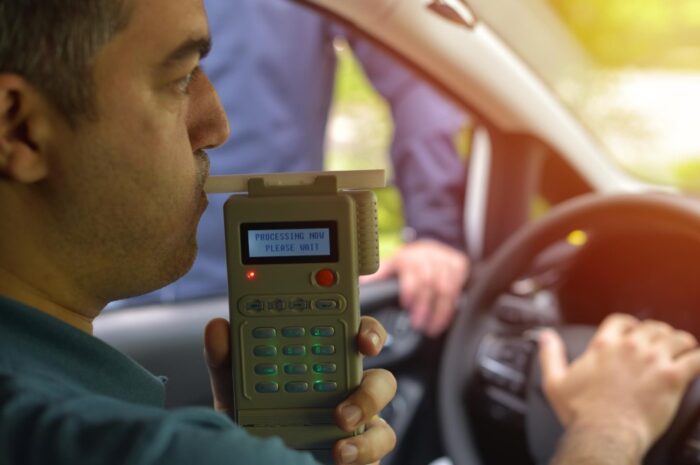
Breathalyzers and blood tests are treated as scientific evidence, but they’re not infallible. Devices require regular calibration, and operators need proper certification. Rising blood alcohol levels – where BAC continues to climb after driving has stopped – can also create a gap between the number recorded at testing and the level at the time of driving.
Medical and Physical Explanations
Certain medical conditions, diets, or even mouth alcohol from recent use of mouthwash can interfere with breath test readings. Diabetes and some forms of acid reflux, for instance, are known to produce compounds that can be misread by certain testing devices.
Procedural Errors
Law enforcement has to follow specific protocols during a stop, arrest, and testing process. Missed Miranda warnings at the appropriate stage, improperly administered field sobriety tests, or failure to observe required waiting periods before a breath test can all become relevant issues.
What to Gather Early
Because evidence can degrade or disappear over time, taking a few proactive steps shortly after an arrest can preserve options down the road:
- Written notes on the sequence of events while memory is still fresh
- Names and contact information of any passengers or witnesses
- Photos of the vehicle, the stop location, and any visible conditions (weather, road signage, lighting)
- Copies of any paperwork provided at the time of arrest
- A record of medications or medical conditions that could be relevant to testing accuracy
The License Case May Have Its Own Deadline

A DUI arrest can create two related but separate matters: the criminal court case and an administrative proceeding involving driving privileges. Responding to the court date alone may not protect the driver’s license. A person can therefore be dealing with a license suspension process before the criminal charge has been resolved.
This distinction is particularly important in Georgia. An administrative license suspension may follow a refusal to take a state-administered test or a test result at or above the applicable limit. Georgia materials generally provide a 30-calendar-day period for requesting an administrative hearing after service of the suspension notice.
The applicable notice should always be reviewed because missing the stated deadline may waive the right to challenge the suspension. TA hearing request must be completed and submitted within the required appeal period and accompanied by the applicable fee and documentation.
The administrative hearing does not decide every question in the criminal case. It typically addresses a narrower set of license-related issues. Still, the proceeding can affect temporary driving privileges, the ability to challenge a suspension, and decisions involving an ignition-interlock permit. This is one reason early review matters even when the first criminal court date appears weeks away.
Understanding the Range of Possible Outcomes
Outcomes in impaired driving cases vary widely and depend on jurisdiction, prior record, and the specific facts involved. Some cases proceed to negotiated resolutions, others go to trial, and still others are resolved through pretrial motions that address evidentiary issues before a trial ever becomes necessary.
Program and Diversion Options
Certain jurisdictions offer diversion programs, particularly for first-time offenders with no aggravating factors. These programs often involve education courses, community service, or monitored sobriety, and successful completion can sometimes result in reduced charges or a cleaner long-term record.
When an Accident Is Involved

Cases involving property damage or injury tend to carry higher stakes and additional legal complexity, since they may intersect with civil liability in addition to criminal exposure. These situations often benefit from a more detailed review of the accident report, insurance documentation, and any independent witness accounts.
Making an Informed Decision
If you’re unsure where a case stands or what options might apply, it helps to get help with a DUI case early rather than waiting until court dates are approaching. Early involvement allows more time to review testing records, request calibration logs, and identify witnesses before details fade or records become harder to obtain.
Questions Worth Asking
When evaluating a case or deciding how to move forward, a few questions tend to matter most:
- Was the stop supported by reasonable suspicion?
- Were testing devices properly calibrated and maintained?
- Did officers follow required procedures at each stage?
- Are there medical or physical factors that could explain test results?
- What diversion or reduction programs, if any, apply in this jurisdiction?
Working through these questions with a clear understanding of the process makes it far easier to evaluate which defense strategy – or combination of strategies – fits the specific facts of a case.