


How many died soldiers of the red Army in attempts of breaking the siege of Leningrad
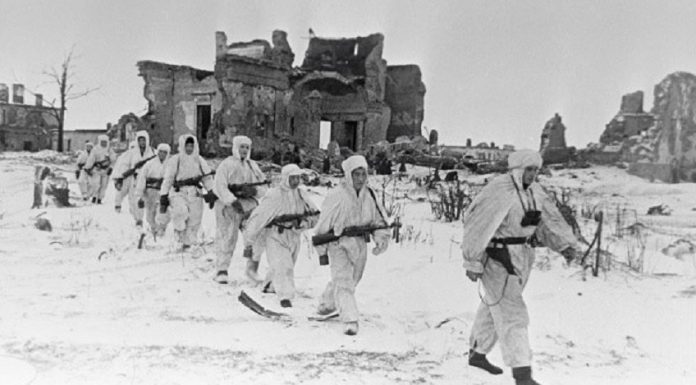
After September 8, 1941 German and Finnish forces had blocked all land routes to Leningrad, the Soviet command has repeatedly attempted to break through the ring and to supply the besieged city.
The Ottoman Bashi-bazouks: the main “thugs” European wars
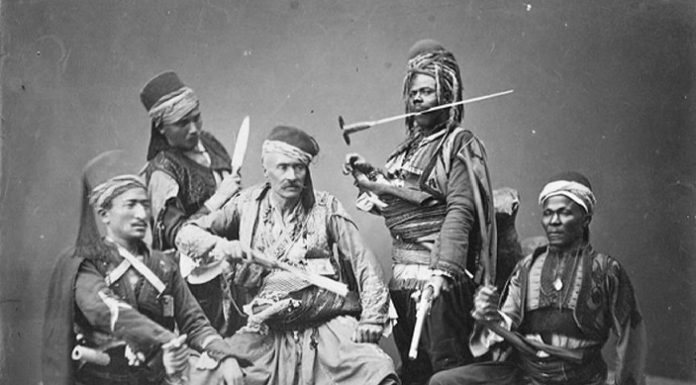
In the army of the Ottoman Empire were troops of light cavalry, known as Bashi-bazouks, whom the Turks themselves are not considered soldiers, and robbers, which served not for wages but for the right to plunder the enemies Ports. Most often opponents of the Bashi-bazouks were not soldiers of the army and defenseless civilians, and their very name has become synonymous with murderer and robber.
As it was called swastika Hitler
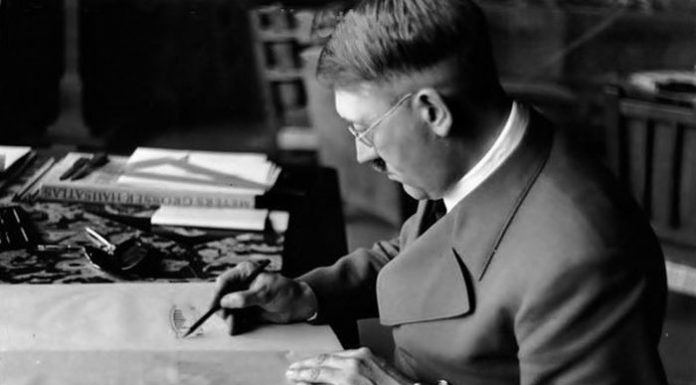
No ideology, no political party, no army, no state will never do without symbols. Flags, coats of arms, seals, flags, chevrons, documents – all this and more people need to feel ownership to a particular system. Particular attention is visual propaganda and agitation focused leadership of the Third Reich. Adolf Hitler was personally involved in the development of symbolism of the national socialist workers party.
Why the Germans lost the “war of snipers” to the soldiers of the red Army
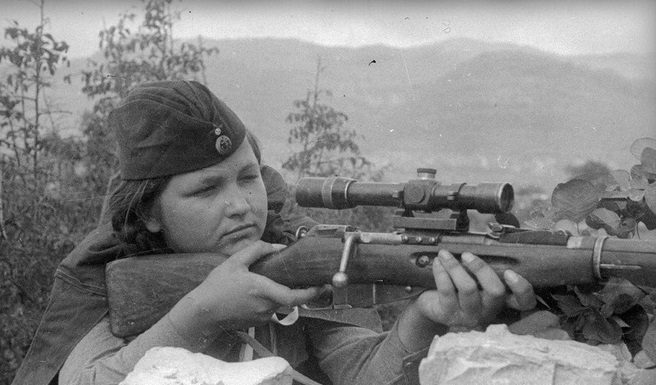
The great Patriotic war was the scene of clashes of different kinds of weapons, strategies and tactics, including the confrontation of Soviet and German snipers. Their mission is simple: destroy as many enemies while remaining undetected.
What money the Stalin armed the army before world
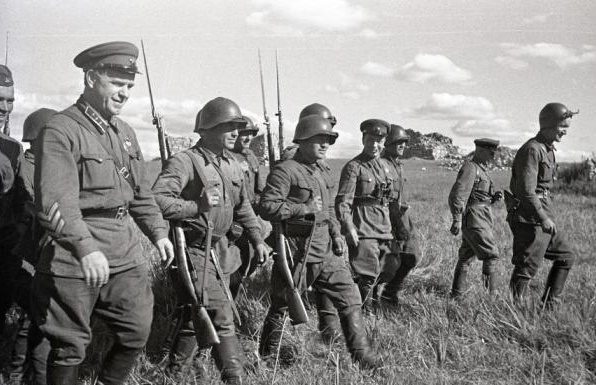
Over the long history of our country the attitude of the authorities towards the production of alcohol has changed from active promotion of drinking before the introduction of strict prohibition. In the post-revolutionary years, drunkenness has become so widespread that it took large-scale anti-alcohol campaign, abolished by Stalin only in 1930.

Navigating Debt Relief ─ The Role of a Chapter 13 Bankruptcy...
Financial struggles can affect anyone, sometimes arising from unexpected medical expenses, job loss, or accumulating debt. When debts become unmanageable, bankruptcy offers legal relief...