


Alexander Kolchak: what was the nationality of the Supreme ruler of Russia
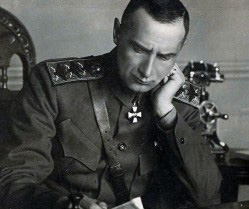
Disputes about the nationality of the Admiral A. V. Kolchak associated with the origin of his ancestors: according to historical records, Russian military and political figure, scientist, oceanographer, polar Explorer and naval commander was a descendant of the Russified Turks (according to another version, Serbs-Muslims). The founder of the dynasty Kolchaks (great-great-grandfather of the future Admiral) - Ilias Pasha Kolchak, the commander of the fortress Khotin during the Russian-Turkish wars of the XVIII century.
“The Gypsy Baron” what was the end of major German operation against partisans
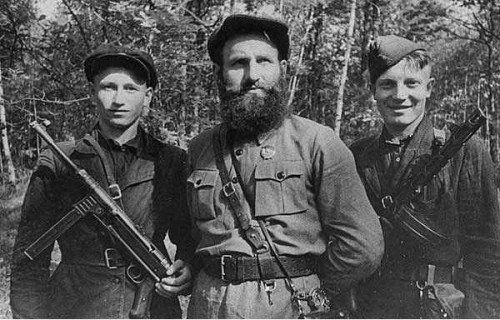
From the beginning of the great Patriotic war in the occupied territories unfolded a large-scale guerrilla movement. The German command had to carry out against the people's Avengers entire military operation. One of them was called "the Gypsy Baron".
What names in Russia are the descendants of Genghis Khan
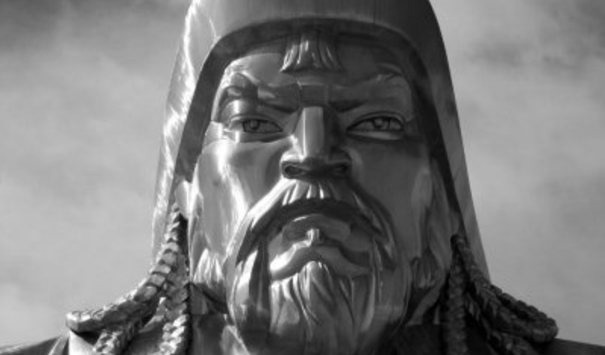
Batu Khan, ravaged the Russian principalities in 1237, was a grandson of Mongol ruler Temujin – better known as Genghis Khan (translated means "Ocean-Han"). On the territory of the Russian Federation was one of the uluses of the Mongol Empire, the Golden Horde, fragments of which existed before the eighteenth century. Live there now in Russia, the descendants of the "conqueror of the Universe" and among some peoples need to look for them?
Hygiene divers: how to wash Russian sailors
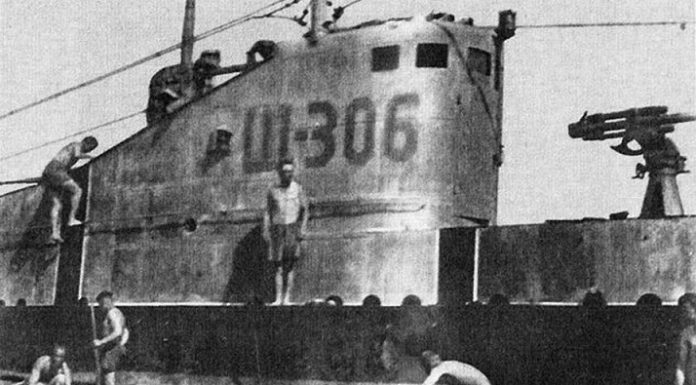
The term Autonomous navigation (avtonomki, as the sailors say) of modern submarines is six months. That is, sometimes for six months the sailors are in a confined space under water, not seeing the light of day. And besides, from a nuclear Arsenal that could wipe out the earth Kingdom or a part of America, they are separated by metal partitions and a couple dozen meters of space. Recalls a former submariner Vadim kulinchenko, in such uncomfortable conditions, the burning desire – simple and human. For example, the desire to take a bath...[C-BLOCK]
Nazinskogo tragedy: the worst case in the history of the Gulag

May 19, 1933, over 6000 prisoners who were taken in the upper reaches of the Obi to work felling trees, landed on the uninhabited island of Nazino. The reasons were simple: transit camps are overcrowded, force protection is not enough, as the means to maintain, and to escape from the island impossible.

Navigating Debt Relief ─ The Role of a Chapter 13 Bankruptcy...
Financial struggles can affect anyone, sometimes arising from unexpected medical expenses, job loss, or accumulating debt. When debts become unmanageable, bankruptcy offers legal relief...